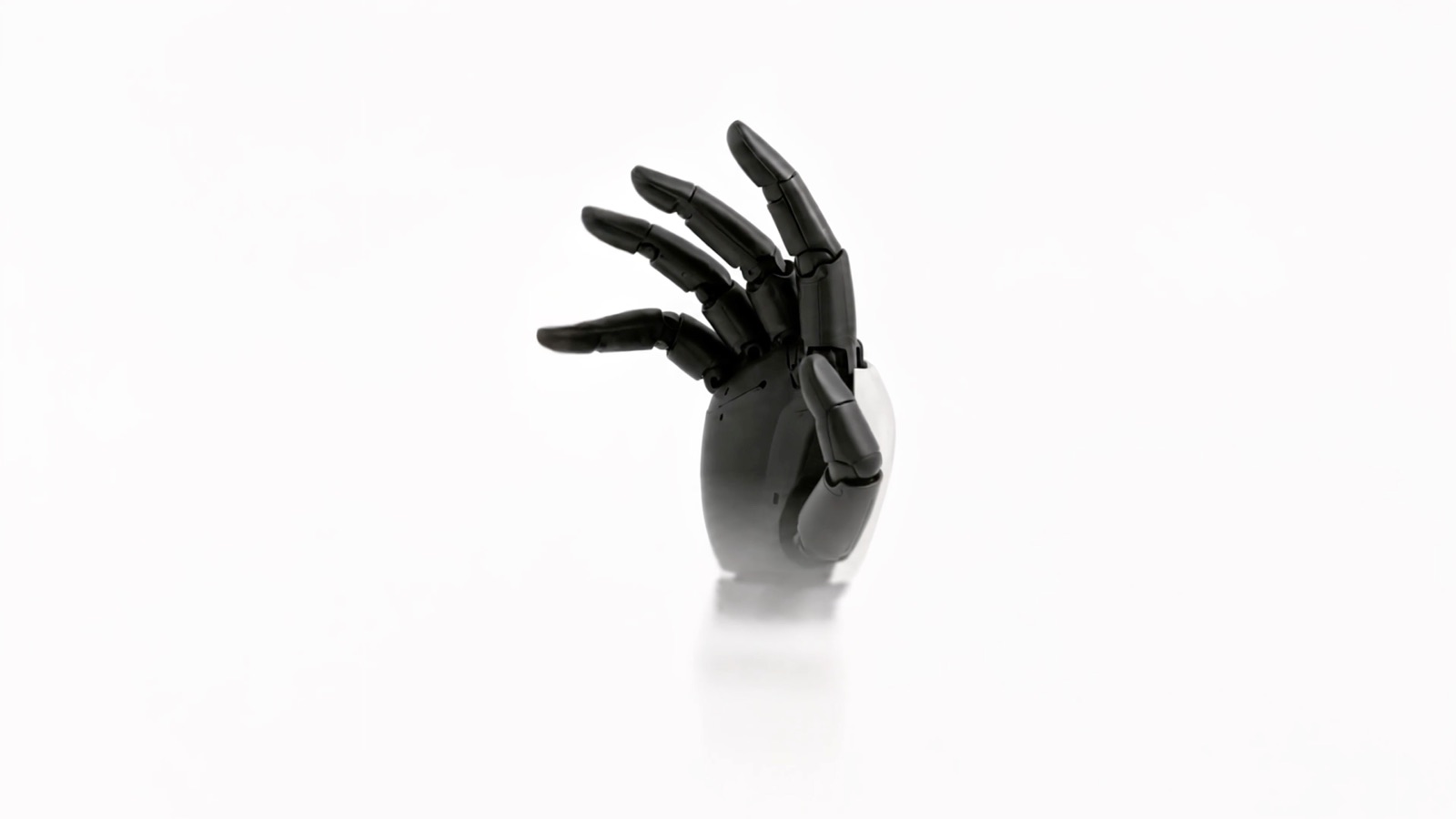
Train machines
Human skill becomes robot skill.
Draw a circle
We turn human touch and motion into robot skills, and help people move again.
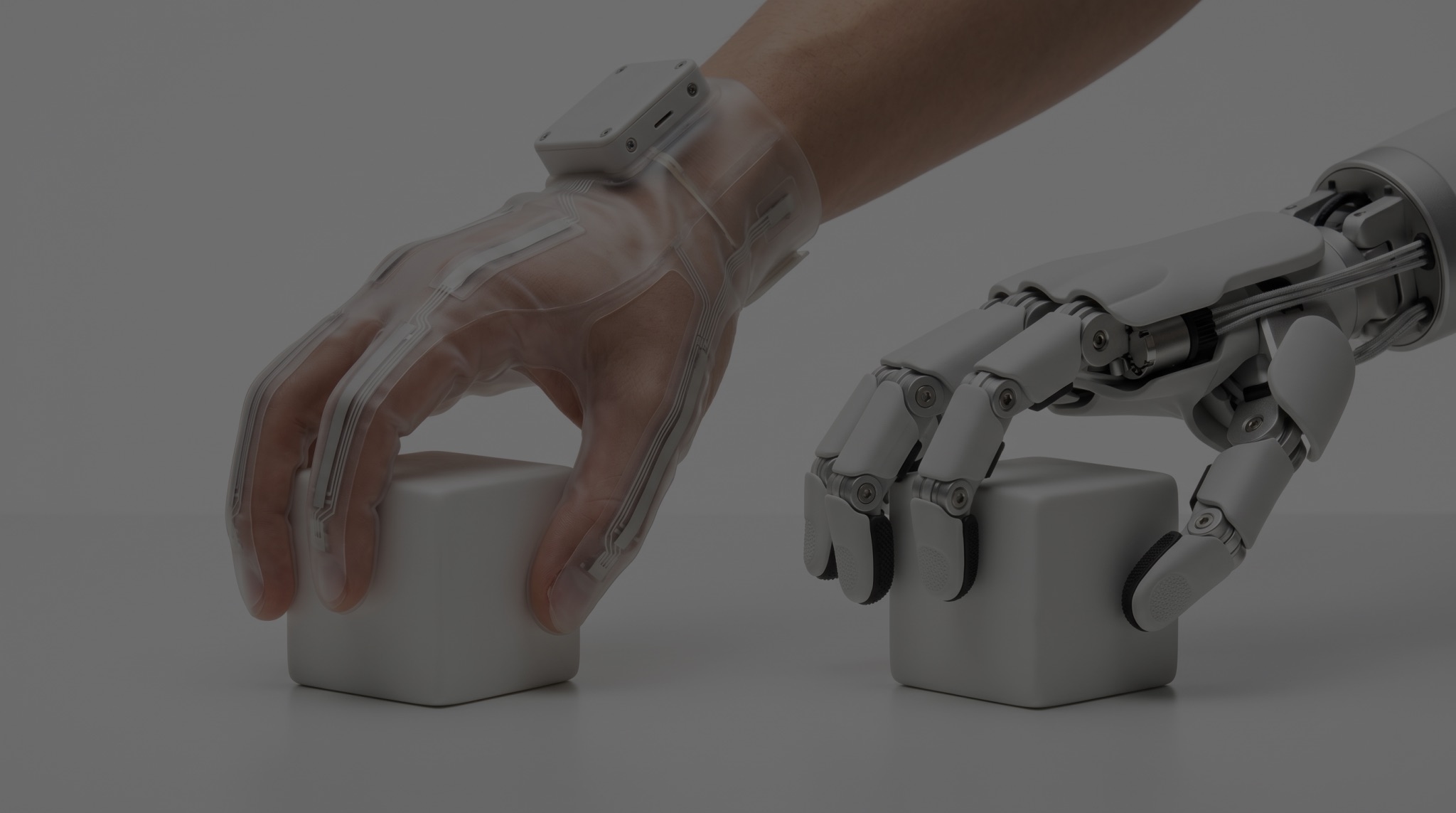
Human skill becomes robot skill.
The same models help people move again.
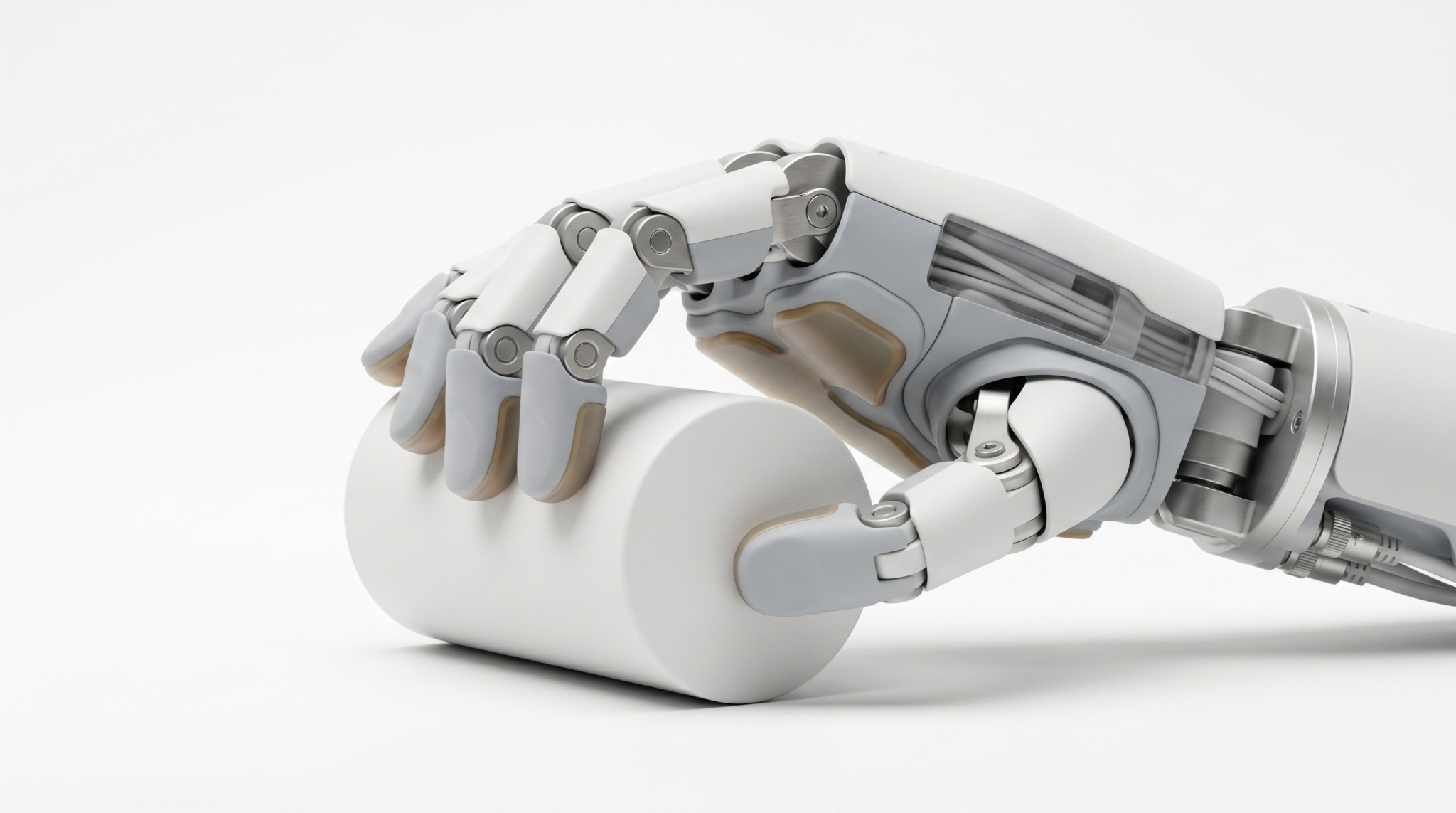
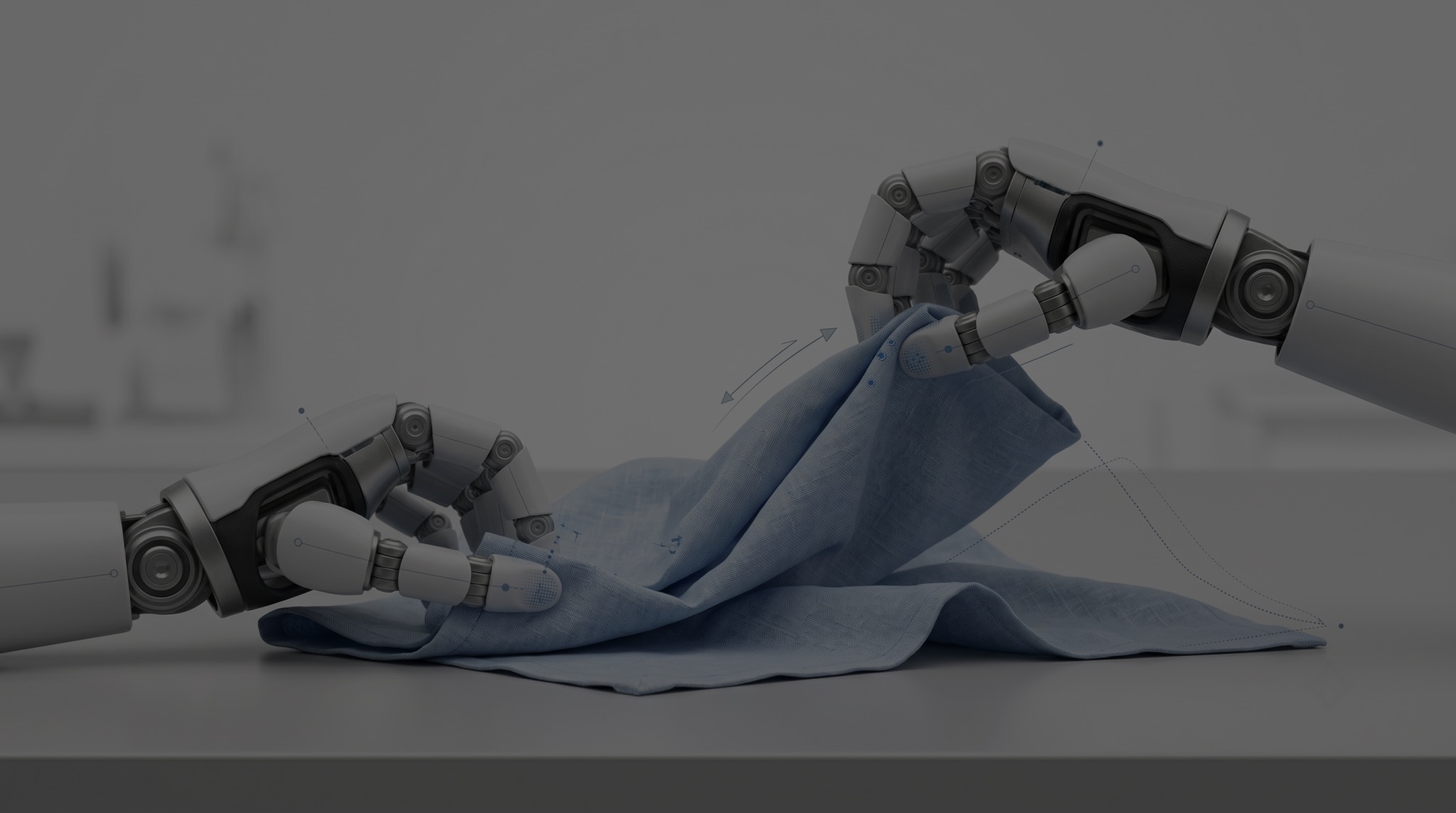
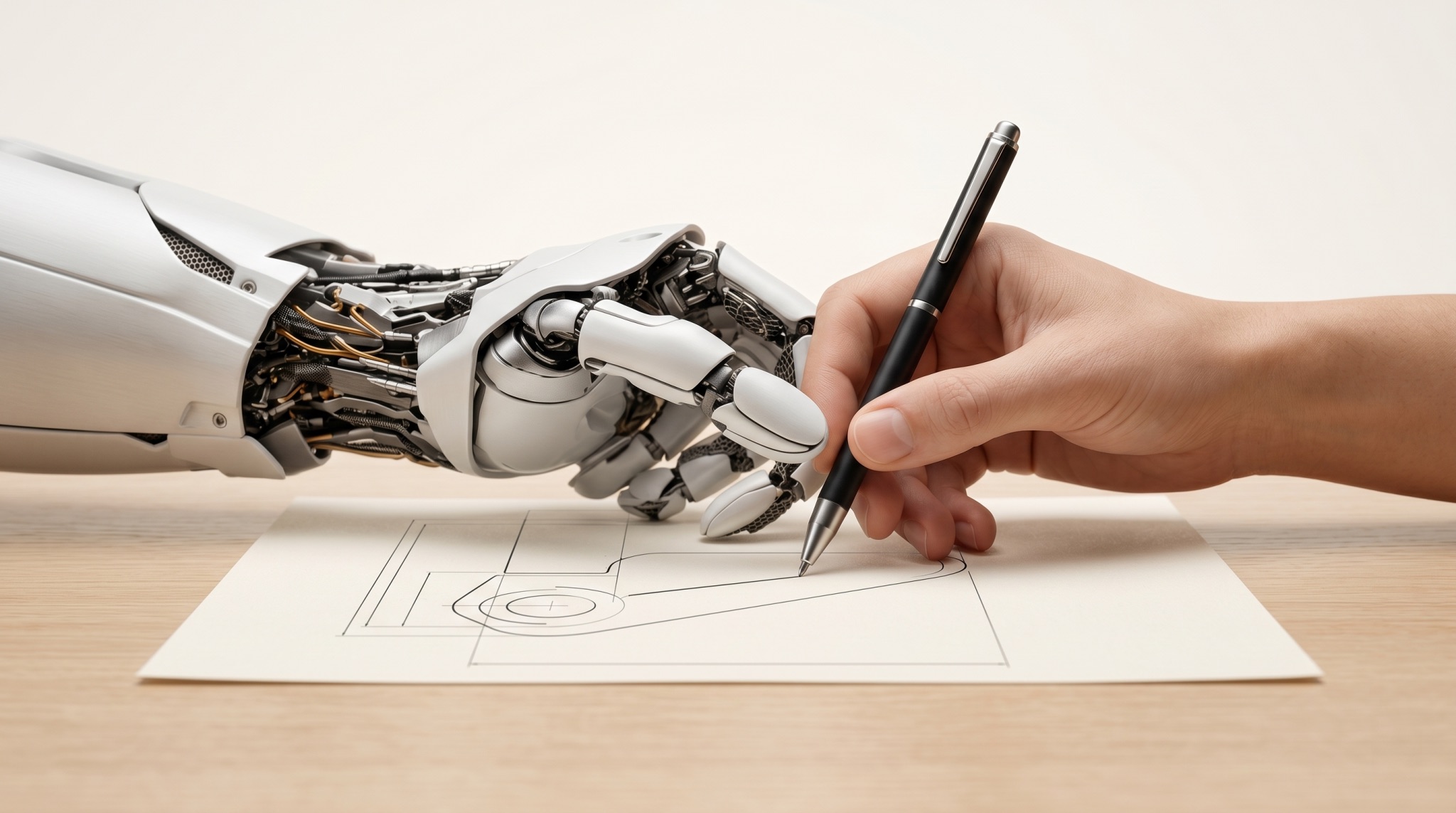
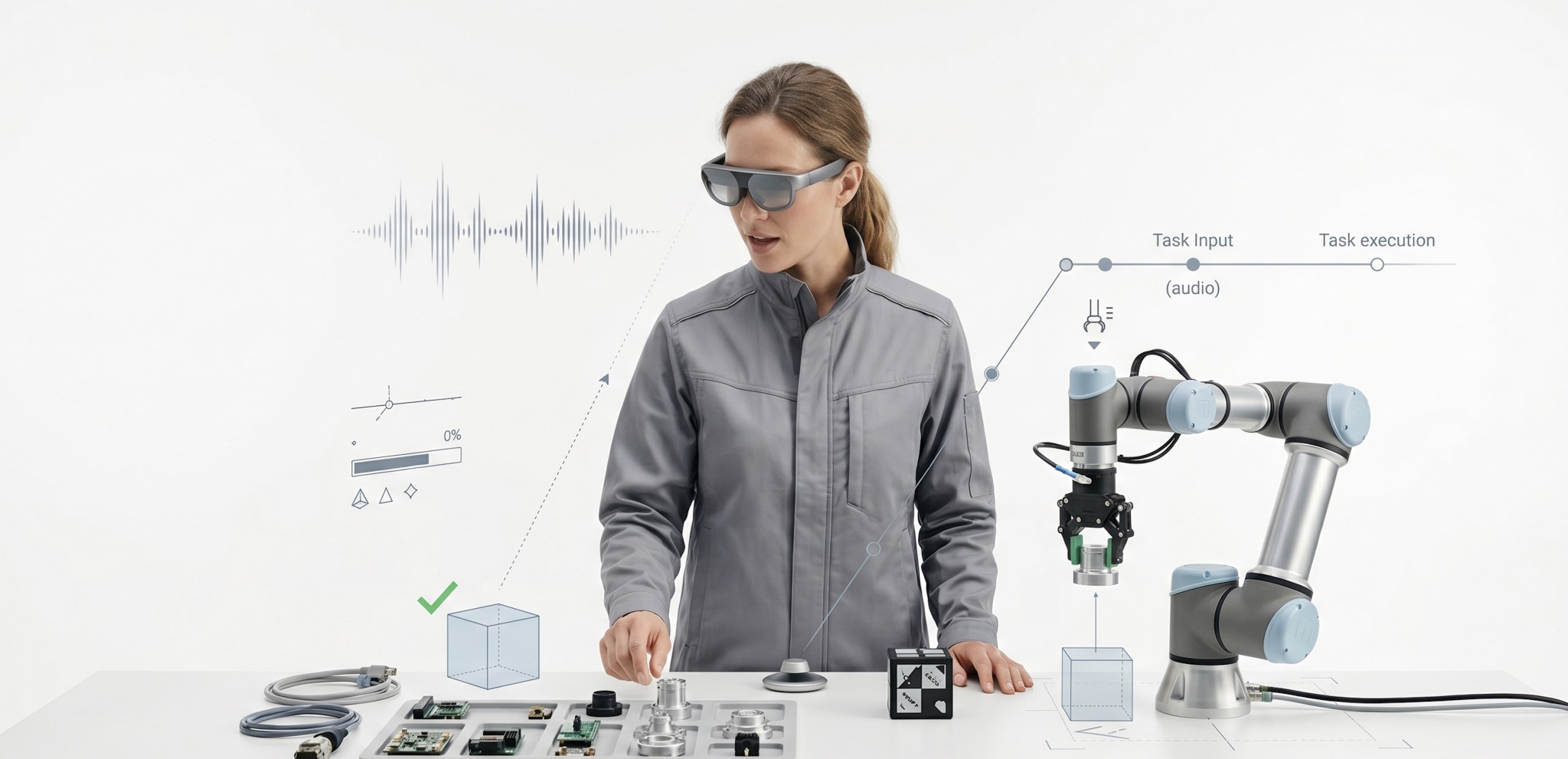
Human demo, robot execution
People show it once. Robots repeat it.
Today, our Robot Skill Engine keeps building our technical moat through three core capabilities.
We capture, curate and train on multimodal physical-interaction data, so human hands-on experience turns efficiently into robot skills.
General-purpose foundation models work together with local motion control, combined with touch and other physical-interaction sensing, so robots can truly handle fine manipulation and work autonomously on site.
Real-world job feedback, skill evaluation and Physical RSI steadily improve every skill and make it reusable across scenarios.
Tactile e-skin for robot hands and gloves.
Simulation · Pinch
Press a fingertip
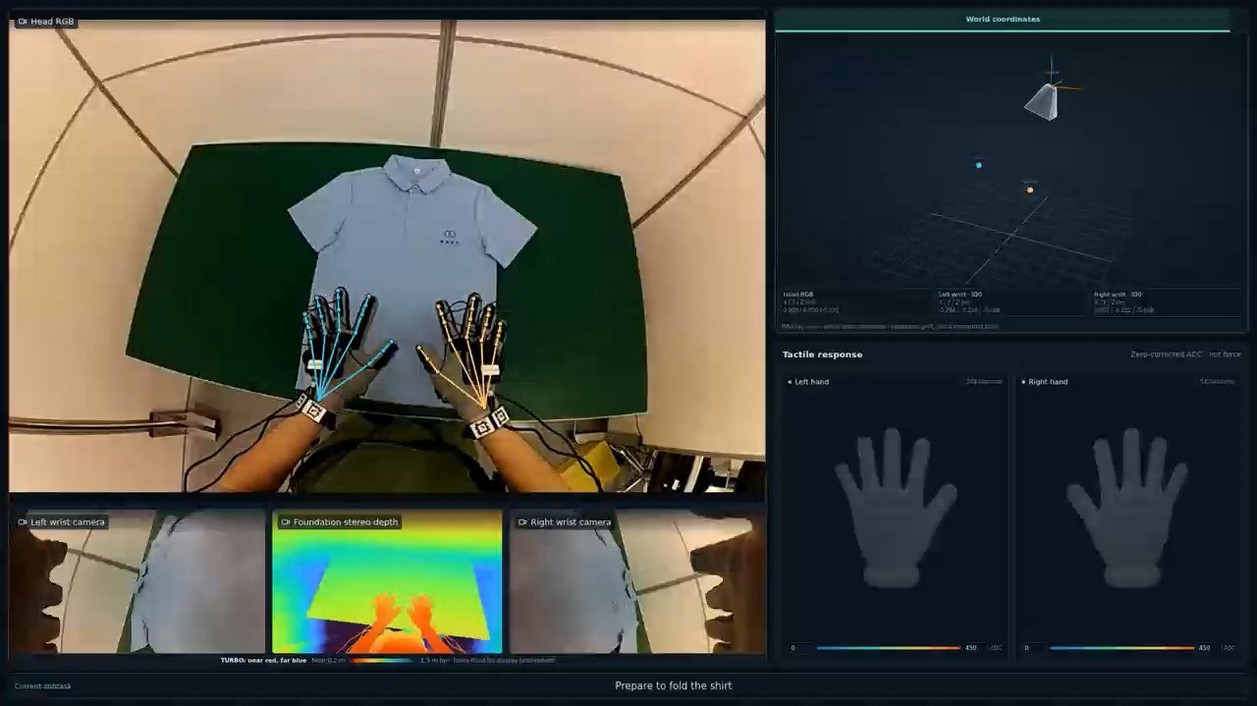
Hardware that records how people touch and move.
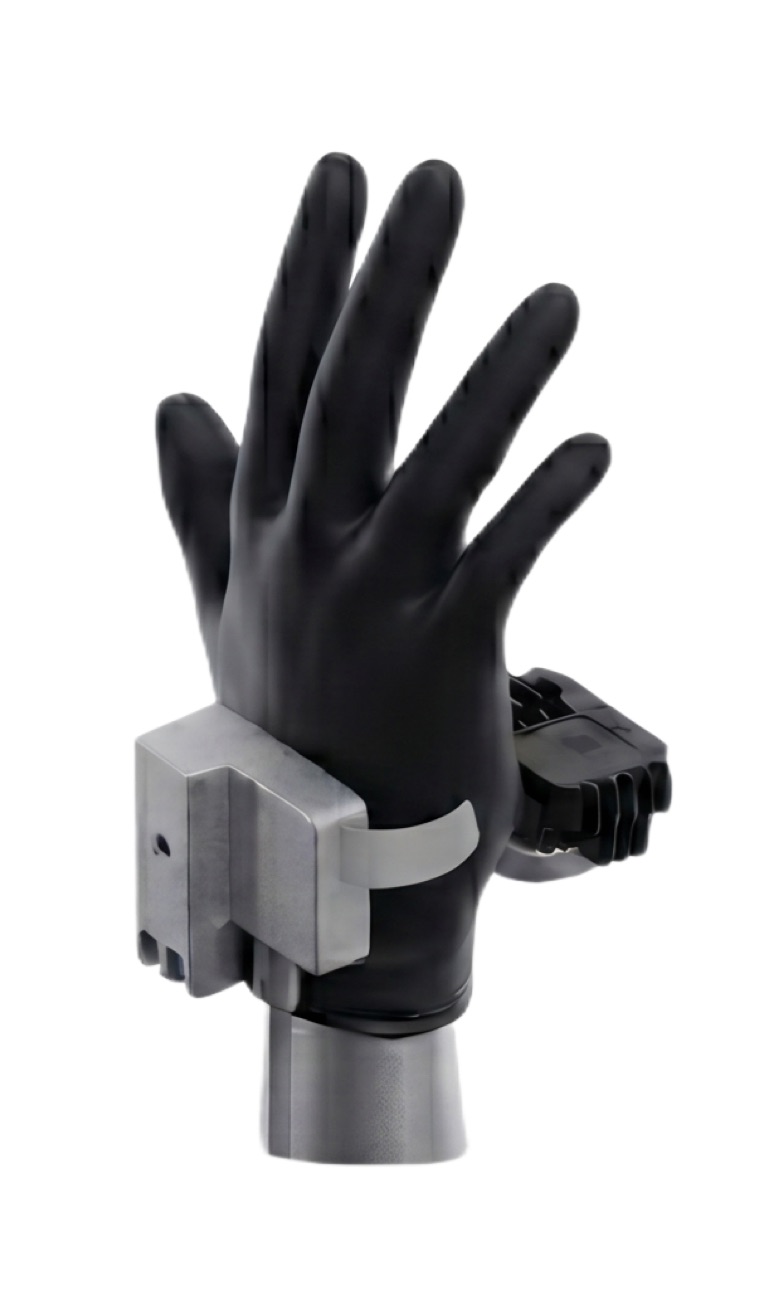
Touch, motion pose and a palm-view camera.
Reads muscle intent. 16–24 channels, in-house.
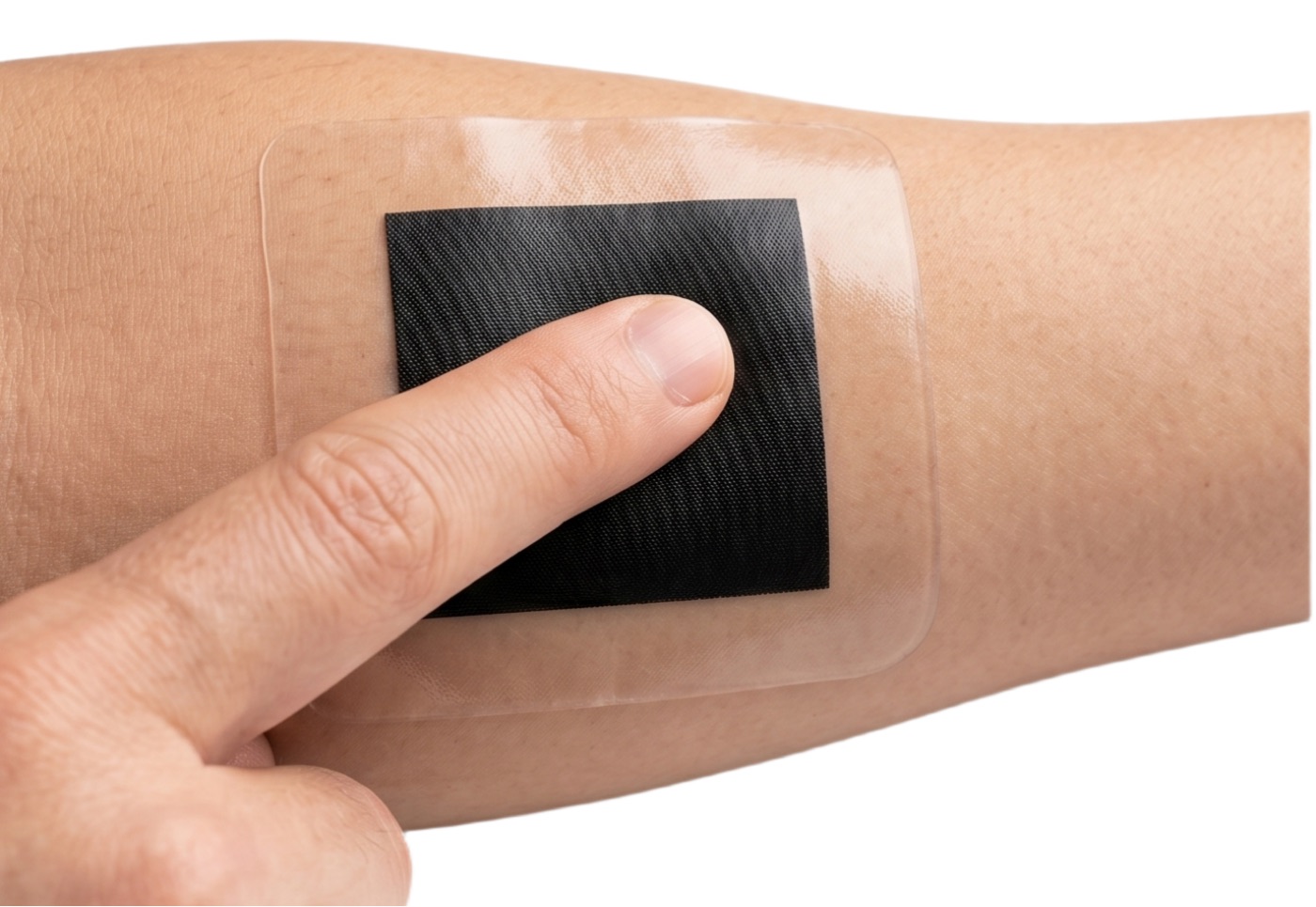
Feels touch and 3D contact force.
Three capture setups
Turns every capture into training-ready data.
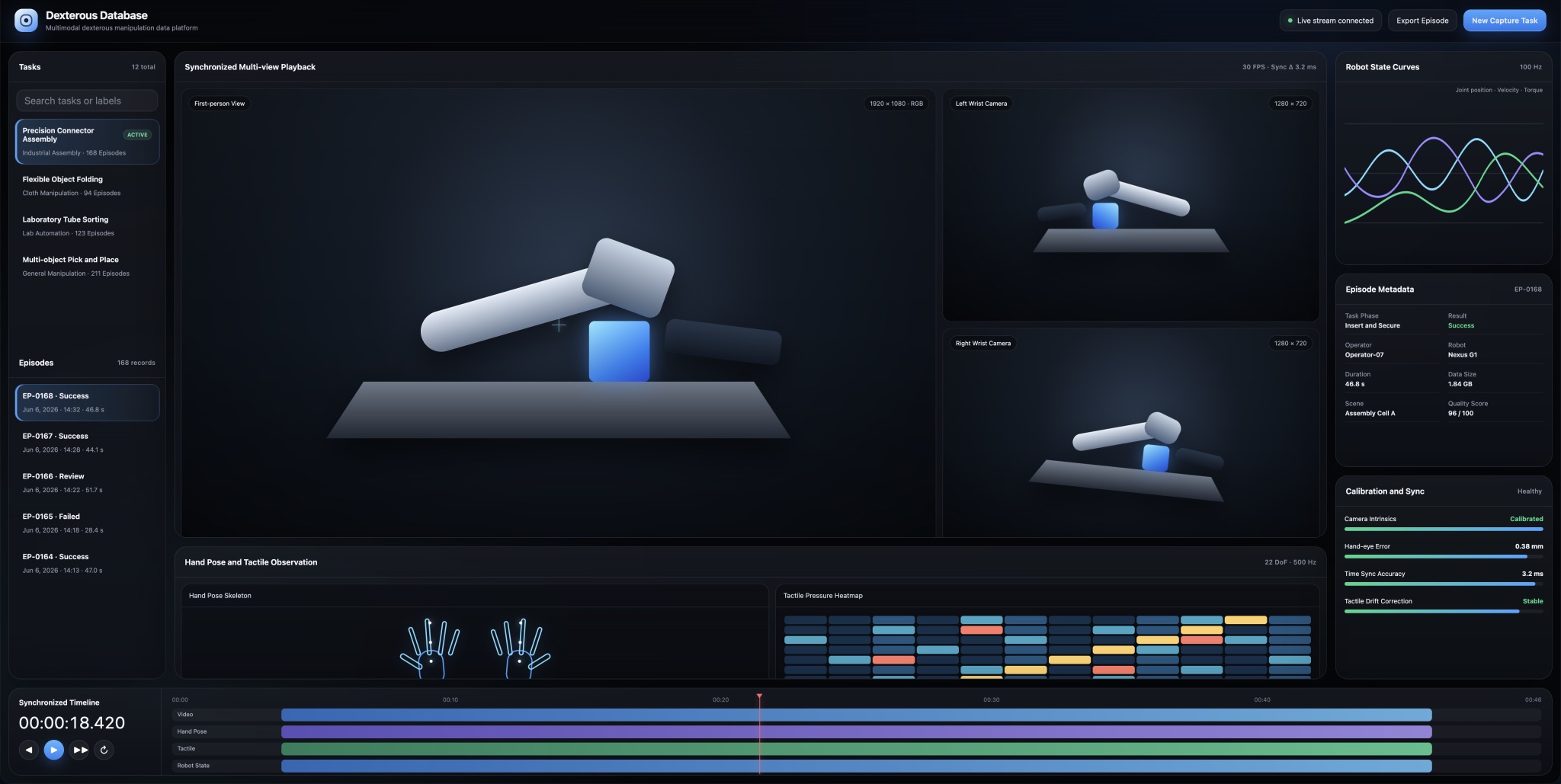
Train and test Physical AI models.
Proven skills for real robots.
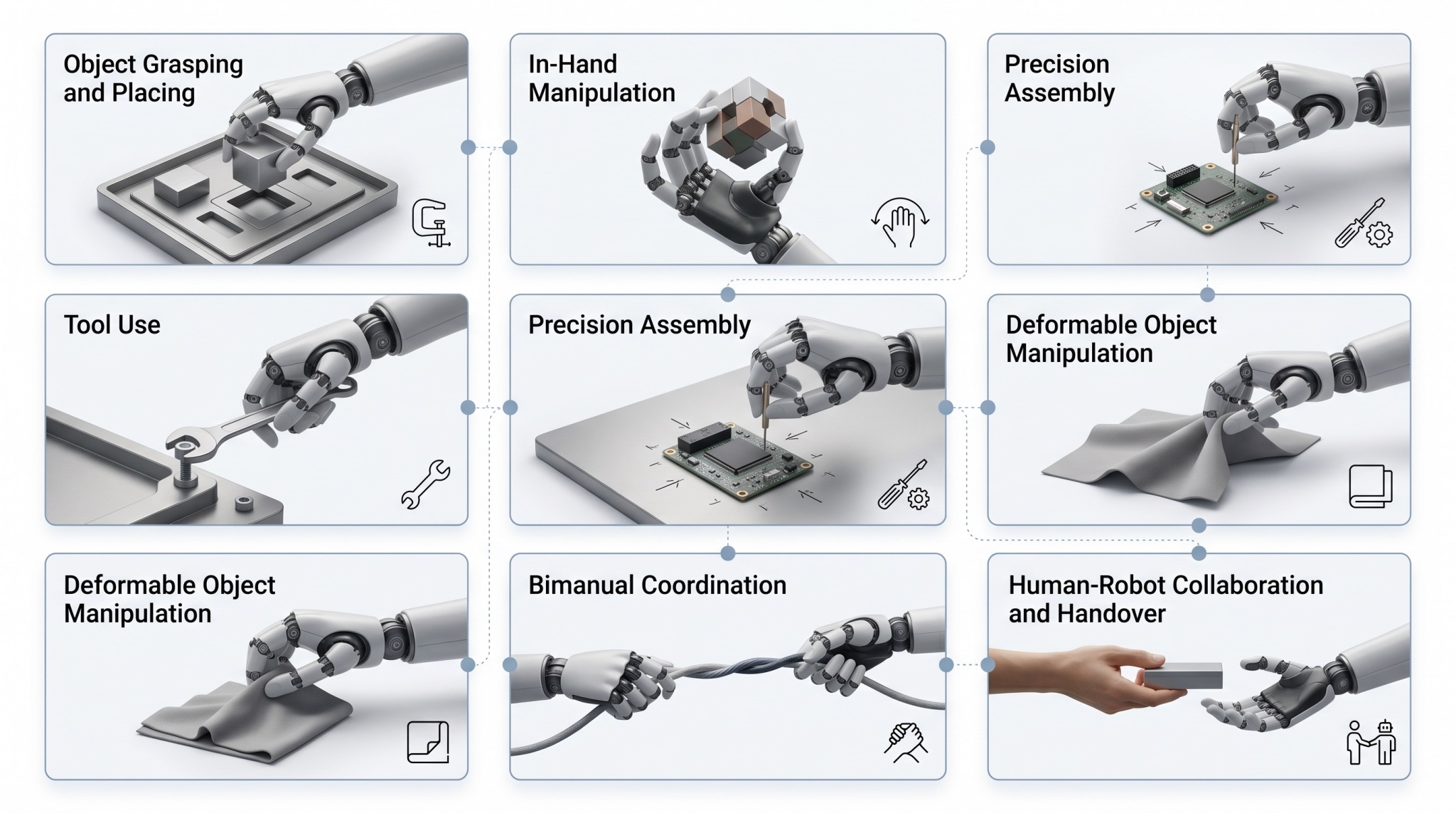
Less data, lower edge compute and shorter training cycles, producing industrial skills that are deployable and reusable.
Turns human demonstrations into skills robots run on real production lines, reusable at scale and always learning.
7 degrees of freedom · 5 kg payload · ±0.1 mm repeatability
6–16 active joints · Tactile feedback · End effectors chosen per station
One workstation, three kinds of value: real production + autonomous data + teleoperated demonstration → reusable industrial skills, continuously.
Sources: WHO, World Stroke Organization, JAMA Network Open
Build the Platform That Continuously Creates Robotic Skills.
To enable robots to continuously learn, adapt, and perform complex tasks in the physical world.